FAQs
Use Case

It is argued that irregular pricing patterns can lead to a negative impact on trade expansion. Pricing right now is one of the most important factors that has been influencing the success in international trade. Setting up proper pricing ranges as per the global demand rate standards is quite difficult. Too high prices can reduce competitiveness, while too low prices can impact profitability.
Now, the researchers and the business authorities, in order to stay competitive in global markets, have to set up accurate pricing ranges as per the latest global trade activities. Import Globals import export data gives detailed insights regarding the comprehensive import export information, helping businesses evaluate market pricing trends. It helps the authorities’ pinpoint product values and monitor competitor pricing strategies. The analysis of the shipment level reports helps businesses make informed pricing decisions with proper maximization of profitability.
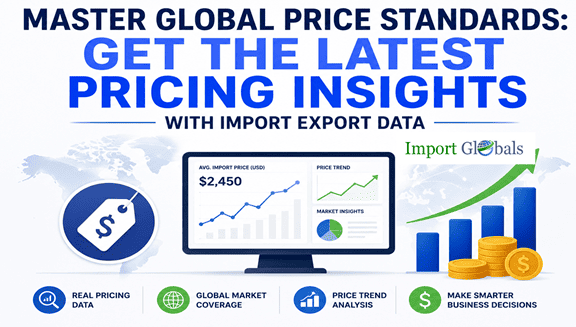
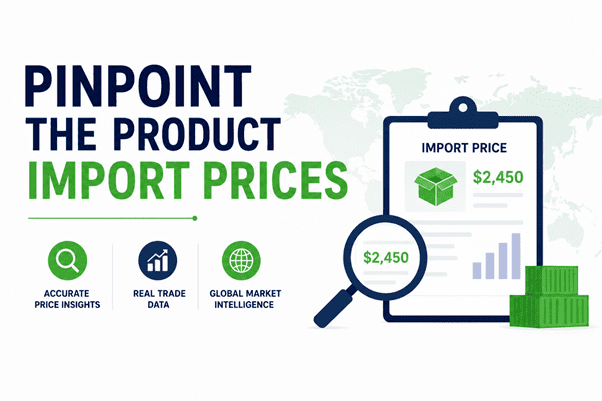
A proper understanding of the prevailing market price of a product is very effective for the market growth rate. It reduces the reliance of the business authorities on assumptions or outdated market reports. The research analysts and the business holders can directly get the pricing ranges on global trade data of Import Globals to understand the actual import prices set up on a global scale.
The platform provides detailed insights into product values, transaction volumes, sourcing patterns, and market demands, which allow the authorities to compare pricing against industry standards. The detailed trade reports include different information regarding price variations across countries, supplier-specific pricing patterns, historical pricing movements, and high-value and low-value market segments. The insights help companies establish pricing strategies that align with real market conditions. It improves the negotiation of outcomes.
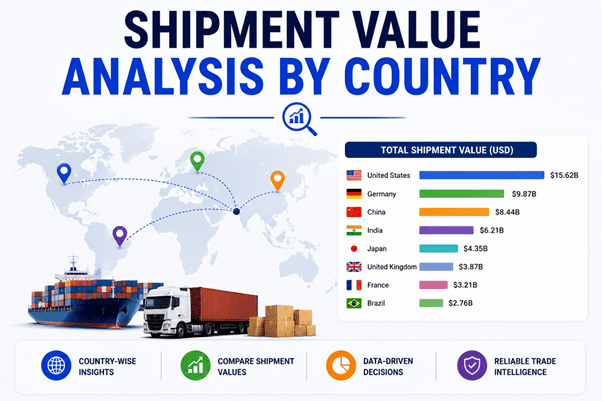
The imported products of different countries vary in price levels based on demand rates and quality requirements. The understanding of the differences in pricing patterns helps businesses target the profitable export destinations. Import Globals with its global import shipment data, promotes proper analysis of the average shipment value. It even helps in the acknowledgement of market opportunities from a pricing perspective.
Businesses can identify the regions to pay for standard maintenance as per the global trade compliance and lower-value market demand. The understanding of the country-level pricing intelligence helps businesses with the identification of premium export markets, comparison of average import values, evaluation of market profitability, and the development of country-specific pricing strategies.
| Data Field | Description |
|---|---|
| HS Code | Product classification code used to identify traded goods internationally. |
| Product Description | Detailed information about the imported or exported product. |
| Importer/Exporter | Company names and trading entities involved in the shipment. |
| Shipment Volume | Quantity, weight, or volume of goods traded. |
| Country | Country of origin for imports or destination for exports. |
| Port Details | Information about loading, discharge, and transit ports used in logistics. |
| Date | Shipment date and trade timeline for tracking market activity. |
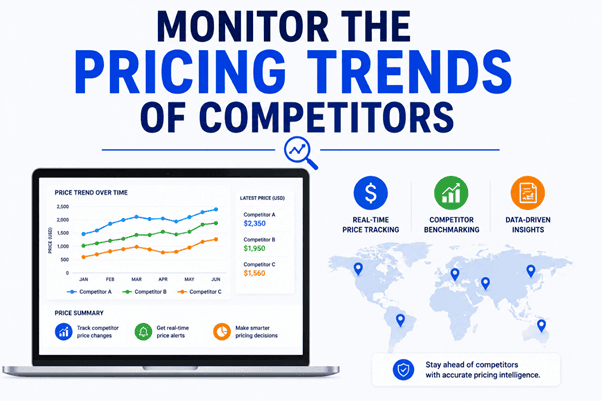
The understanding of competitive intelligence plays a critical role in traditional trade success. Businesses right now are trying to get the latest insights on the pricing ranges set up as per the increasing demand rates. Import Globals, with its global import customs data, helps companies evaluate the values and trade activities associated with competitors operating in different regions across the globe.
The analysis of import and export records helps the users identify pricing trends. It even promotes market dynamics as per the regulatory standards. Businesses can properly track the historical pricing patterns with analysis of buyer purchasing patterns and changes in sourcing strategies.
Import Globals, with its shipment-level trade intelligence, will help businesses pinpoint the pricing ranges as per different regions worldwide.
Yes, the users can properly analyse the shipment volumes and compare the pricing ranges across different countries with the latest trade intelligence available on Import Globals.
Import Globals allows businesses to properly monitor competitor pricing strategies with trade patterns, providing valuable insights into the pricing activities.
Yes, the analysis of the global export trade data on Import Globals will help the business authorities track the pricing movements and evaluate the long-term market trends.
Yes, the pricing intelligence can help businesses improve their profitability while promoting the optimization of pricing strategies with improvements in negotiations.
