
How Import-Export Shipment Data Powers Global Research Across Industries: Navigating Geopolitical Trade Risks Using Market Intelligence

- Oct 02, 2026
- 1,168 Views
How Import-Export Shipment Data Powers Global Research Across Industries: Navigating Geopolitical Trade Risks Using Market Intelligence
Global commerce comprises more than just supply and demand. The market valuation is at a rate of US$26.26 trillion Trade wars, tax increases, sanctions, changes in governmental policies, and regional turmoil lead to the formation of trade routes, the products being traded, and the total cost. A closed port or new import regulation can mean that the business will suffer severely for the fiscal quarter.
The traditional forecasts based on Global Trade Data are very slow and vague for solving urgent problems. Statistics such as those that illustrate trade volumes for a company and a country show that trade volumes are lower but do not clarify which players changed their position in the market.
This is the point where detailed and extensive information regarding the shipments helps to turn modern business intelligence into an effective tool for successful operations. Import Globals provides transaction-based data that includes information about the names of importers and exporters, numbers in HS code terminology, quantities, values, as well as information regarding ports and dates of shipment. This allows businesses to have access to the details of trade in real time rather than afterwards.
The Risks in Modern Geopolitical Trade
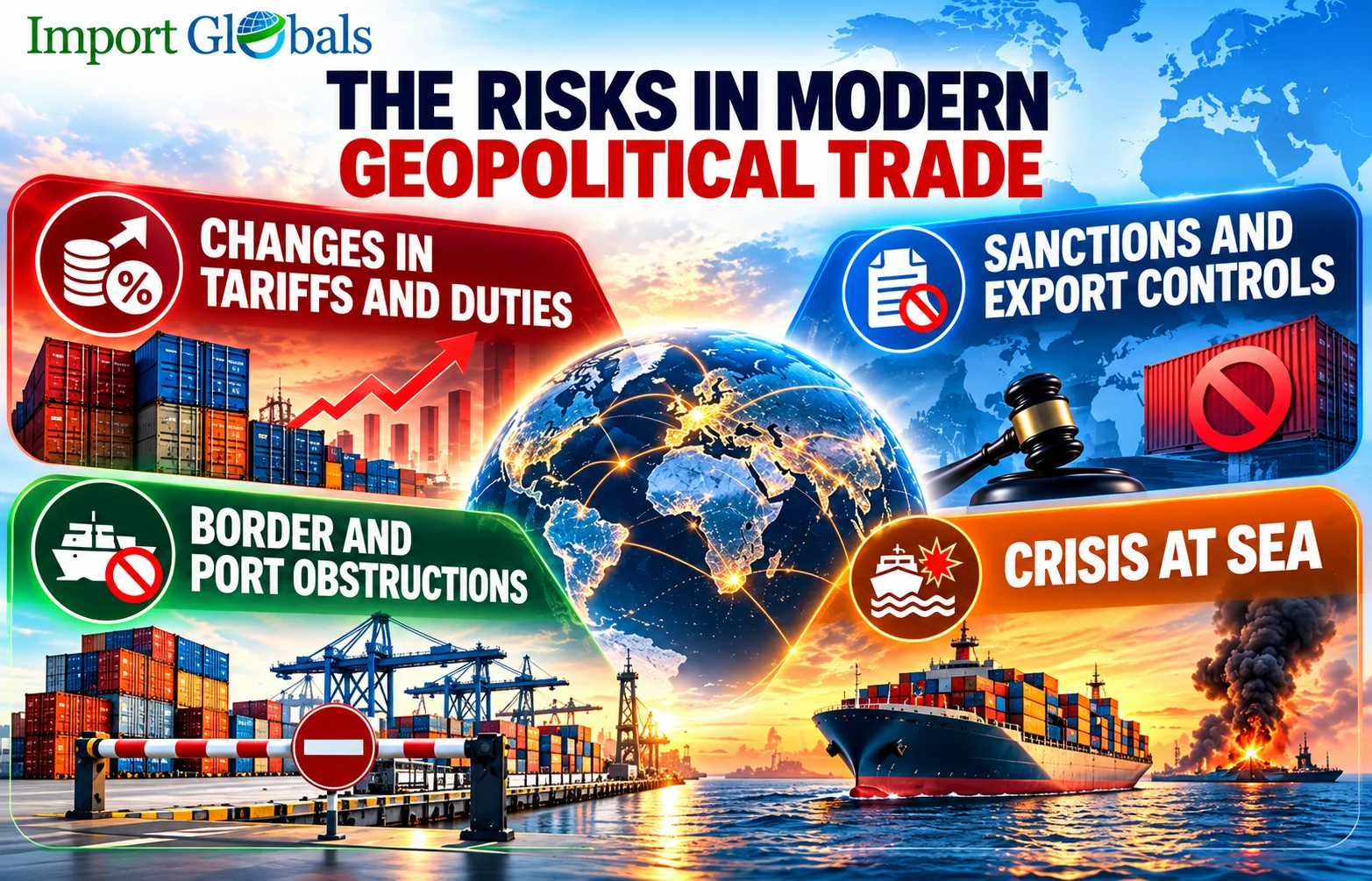
Changes in Tariffs and Duties: Sudden increases in tariffs can make suppliers uneconomical.
Sanctions and Export Controls: Different sanctions and export controls implemented by authorities create compliance difficulties, setting up bars for geopolitical trade.
Border and Port Obstructions: Port closures and obstructions are having a stronger effect on the cargo movements, leaving backlogs for effective traded variants demanded on a global scale.
Crisis at Sea: Attacks on vessels in the Red Sea have forced some carriers to take longer routes through the Cape of Good Hope.
The risks compound each other. A blocked port reduces raw materials market availability, says Import Export Trade Data. Longer routes and fewer containers raise freight prices. Delays necessitate expensive air transportation and suspensions of production activity. Resulting losses cut into profit margins and breach contracts, leading to the loss of clients.
How Granular Shipment-Level Data Serves as a Mechanism for Early Alerts?

Moving Past Conventional Information
Macroeconomic information reveals aggregate national figures, often with a delay of several weeks or months. Hence, they do not show the real situation on the ground, such as one supplier's dispatch being halved or an increase in port tonnage by double.
Observing Immediate Changes
Data regarding shipments allows tracking transactions that serve as alerts, says Global Import Export Data:
- Harmonized system codes: show the affected products.
- Quantities and values: indicate sudden drops, increases, and alteration of prices.
- Ports of departure and arrival: indicate shifting of traffic and congestion.
- Active suppliers and customers: indicate who continues to send shipments and who has gone silent.
A deviation in the mentioned parameters may signal that a large domestic supplier has reduced its big shipments from a particular place.
Detecting Changes in Trade
Whenever there is a rise in tariffs or restrictions, trade does not stop but changes direction. Data on shipments shows when and how competitors or industries change their sourcing point. For instance, if customers of one product suddenly start importing it from another country, this is a signal to act quickly.
How Import-Export Shipment Information Assists in Identifying Risks in Supply Chains?
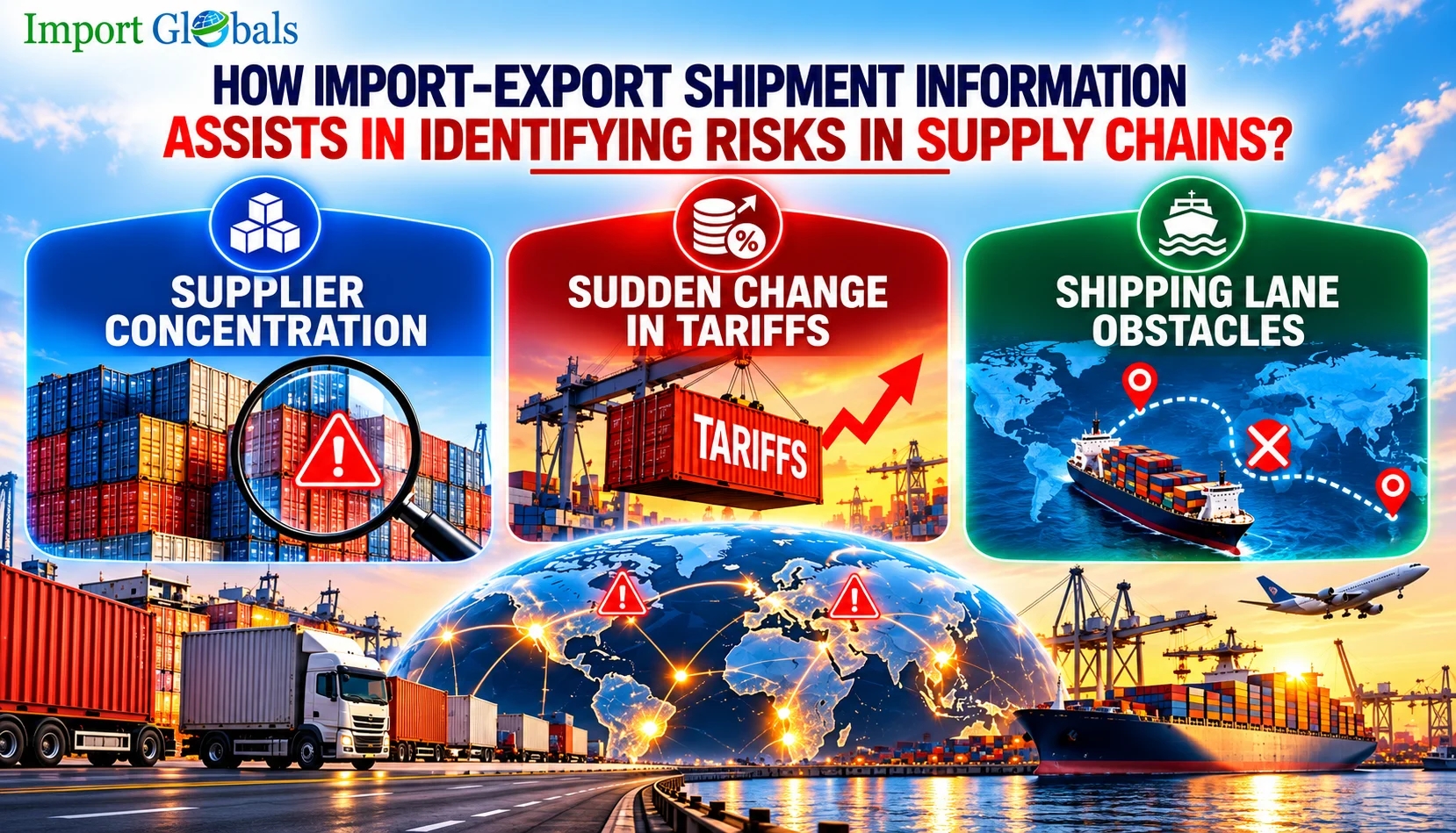
The existence of risks in supply chains is often hidden in the second and third steps where there are no direct contracts. Global Shipments Data helps in exposing this problem. The following are a few examples of the contribution of shipment data in exposing risks of the supply chain:
Few Trade Conditions That Assists in Identifying Risks in Supply Chains
- Supplier Concentration: If most shipments of a product originate from one exporter or country, then a sudden increase in tariffs or a port closure may pause the production of the affected goods. However, shipment records provide the actual concentration instead of the figures computed on the basis of purchase orders made.
- Sudden Change in Tariffs: A steel component of a buyer had recently experienced a sudden rise in the tariff rates. Through shipment information, the buyer was able to recognize that the competitors' importers had started sourcing from a different country.
- Shipping Lane Obstacles: When vessels started going around the Red Sea, shipment data may be useful in exposing the trend of shipping routes.
How Freight Companies Benefit From Import-Export Shipment Data?

Freight forwarders, shipping companies, airlines, and third-party logistics suppliers depend on understanding where shipments are going and who will deliver them. Global Customs Shipment Data covers transportation by air, sea, and ground and links each record with named entities.
Tracking of Air, Sea and Ground Shipment: Records show mode of transport, the port of arrival or border point and shipment date, allowing companies to see volumes on each route, which allows to see volumes on each route.
Entity-Level Visibility: Exporters, importers, consignees, and notifying parties help logistics companies identify what companies are involved in shipments, how often, and through which transports.
Lead Generation: Freight forwarders can find and steal the importers that transport containers regularly across the corridors they operate in and introduce themselves with an attractive offer.
Capacity Planning: Seasonal and regional volumes assist carriers in the selection of equipment, routes, and storage facilities.
Competitor Monitoring: Providers of the service can observe which company wins the most clients on a certain route, as well as the amount of goods transported.
Route and Port Analysis: Data on increasing volumes at one port compared to decreasing at another port demonstrate how trade flows are basically redirected.
The Importance of Import-Export Data in Agriculture
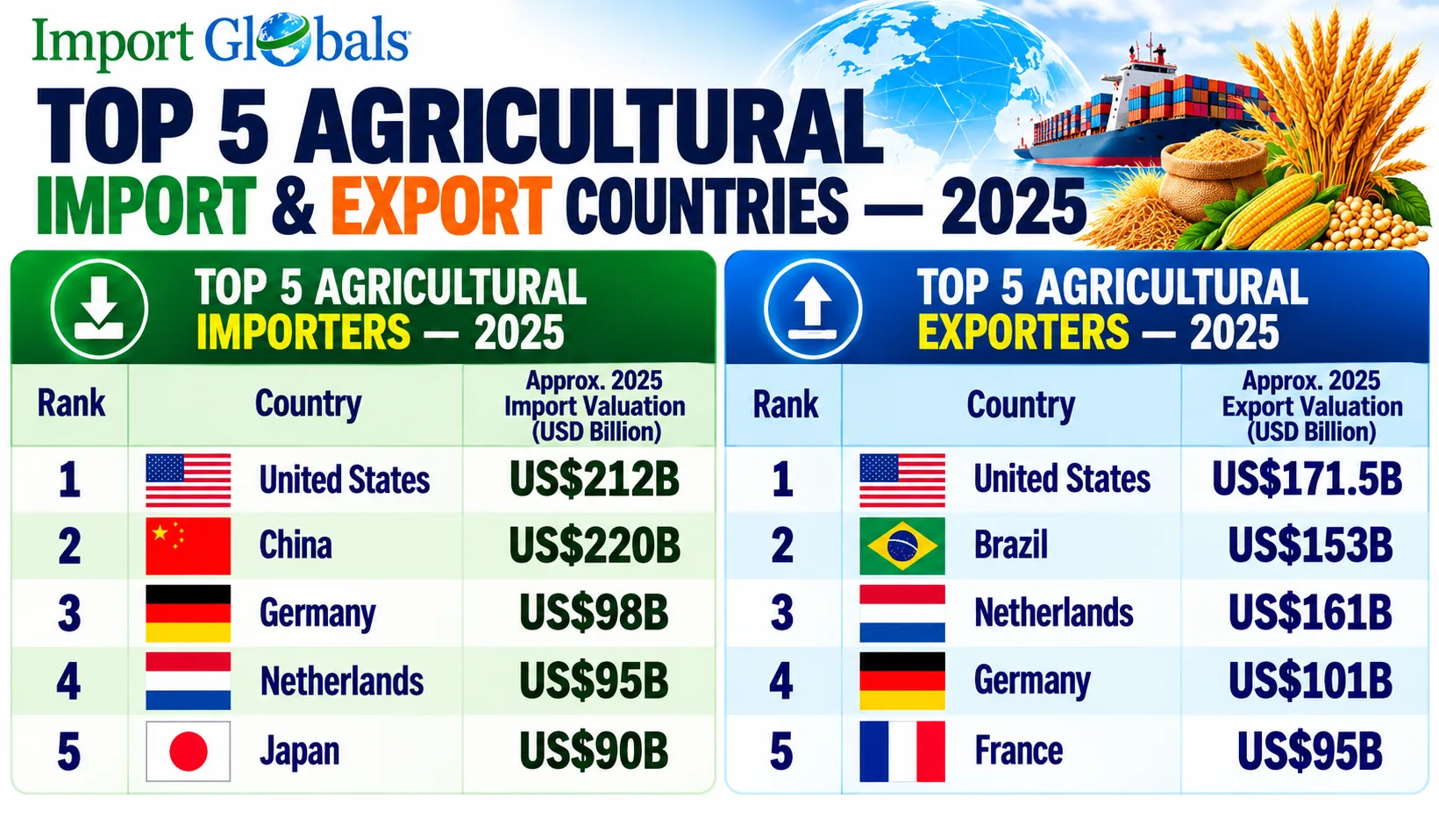
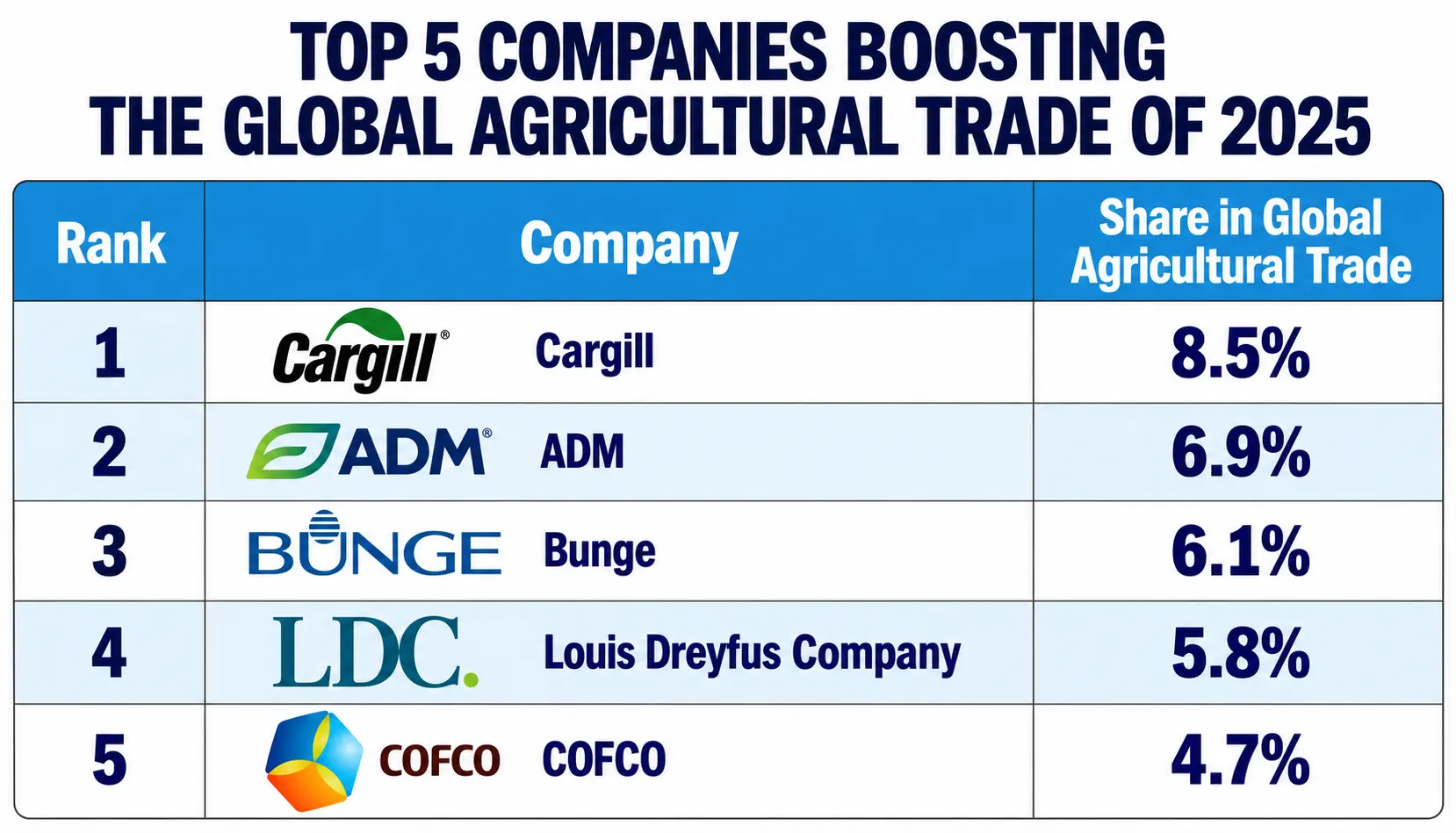
Agriculture is one of the fastest-moving and most unpredictable industries. A drought situation in South America, a ban on shipments in the Asia region, a new tariff, or a disturbance in the Black Sea ports can bring a sudden change in prices and availability. Consequently, it is important for farmers, traders, processors, food producers, and logistics organizations to track the movement of products, know who buys them, and how much they cost.
1. Locating Buyers and Sellers
Proper location of buyers and sellers of agricultural products like rice, spices and fruits have been one of the most important steps because it promotes verification of suppliers and crafts the marketing strategies of traders. Thus, cold calling is replaced by targeted data-driven prospecting.
2. Price Evaluation and Comparison
With the information on declared prices and volumes, users can compute unit value and quantity starting from the country of origin, country of destination, and time period. A purchaser can measure the import cost, and a vendor can evaluate the price offers in the market, with Global Trade Statistics.
3. Demand Projection and Market Choice
The acknowledgement of the import volumes and demand rate of targeted consumers represents the rising trends of a specific commodity. The decline in volumes indicates substitution or local production increase. The exporters trying to be progressive can use the information for selecting the best market for penetration of the trade estimates.
The Role of Import-Export Data in the Chemical Industry
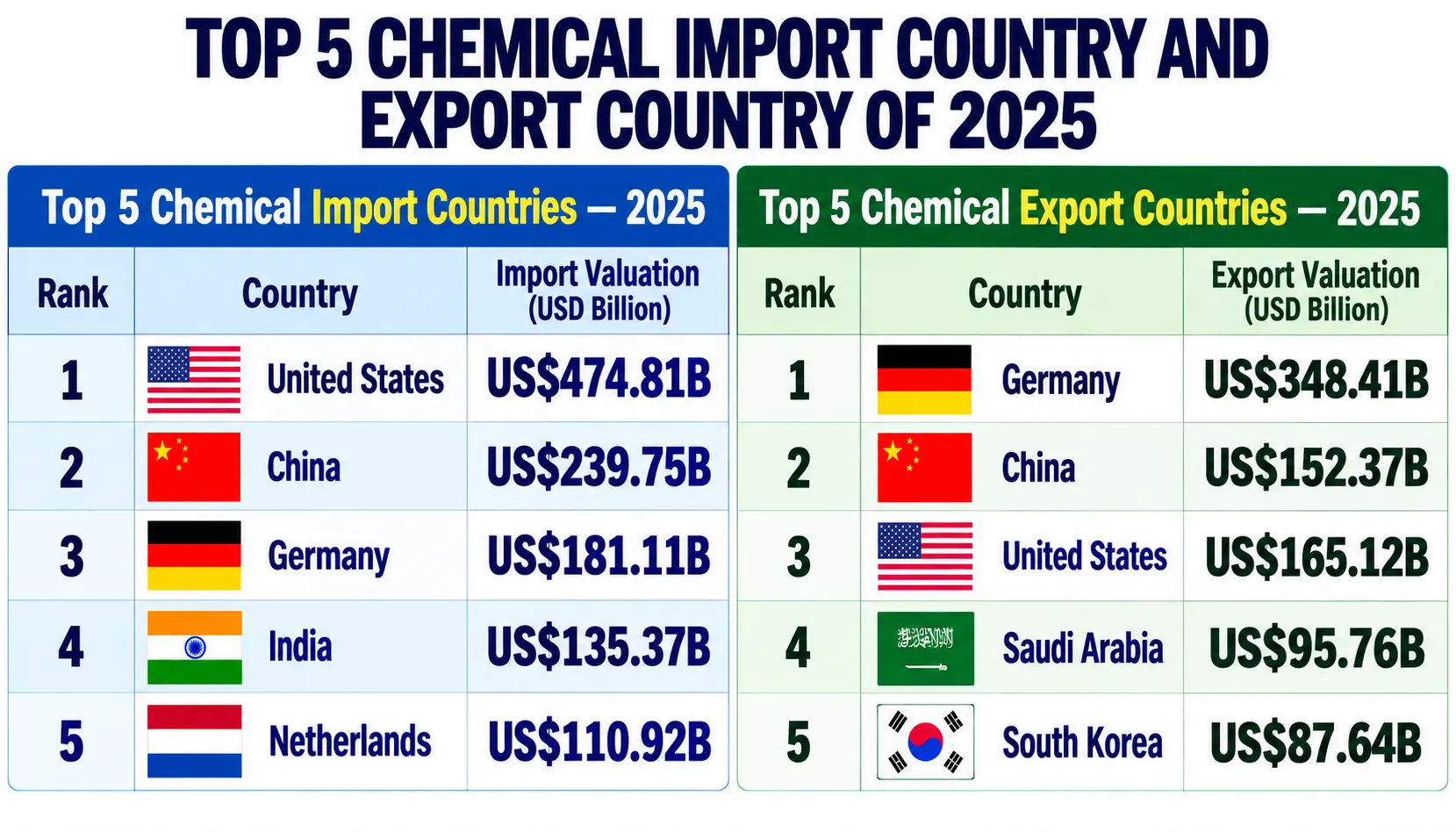
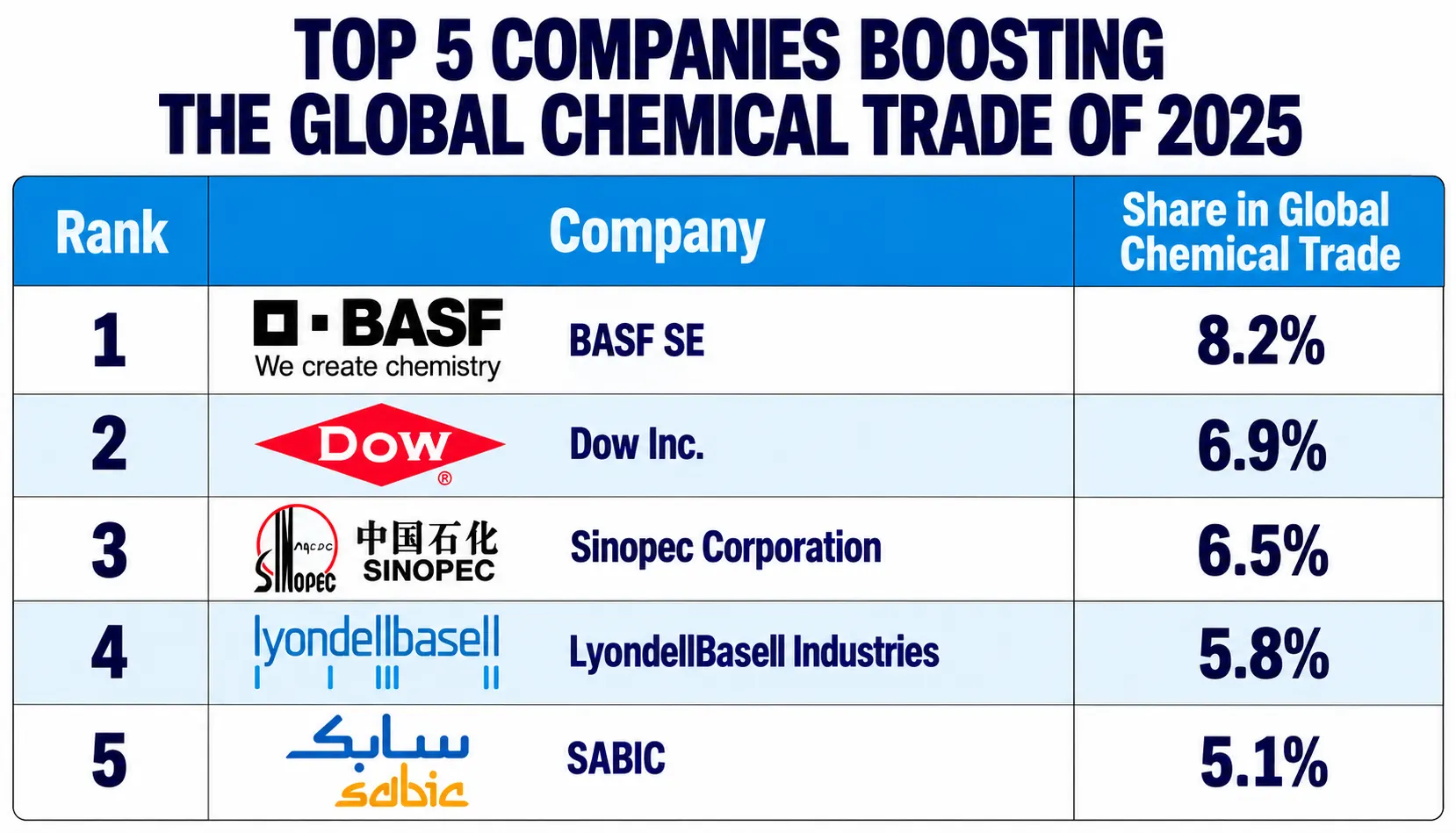
Chemicals are crucial materials for the majority of manufacturing, so disturbances affect many downstream businesses.
Feedstock Tracking: Keeping track of the flows of different petrochemicals and intermediary materials in order to detect shortages.
Price Benchmarking: Finding out the unit costs by place of origin and gaining opportunities for negotiating better contracts.
Regulatory Monitoring: Identifying the changes in sourcing due to sanctions and regulations like anti-dumping duties and REACH. Information regarding the competitors' activities over the chemical industry and the top companies like Dow, Sinopec shipment activities represents the developing regions.
Hazardous Cargo Planning: The attractive insights into the cargo planning of the top trading authorities supports the handling of hazardous shipments of chemical essentials on a global scale, reports Global Import Trade Data.
How the Pharmaceutical Industry Uses Import-Export Shipment Data?
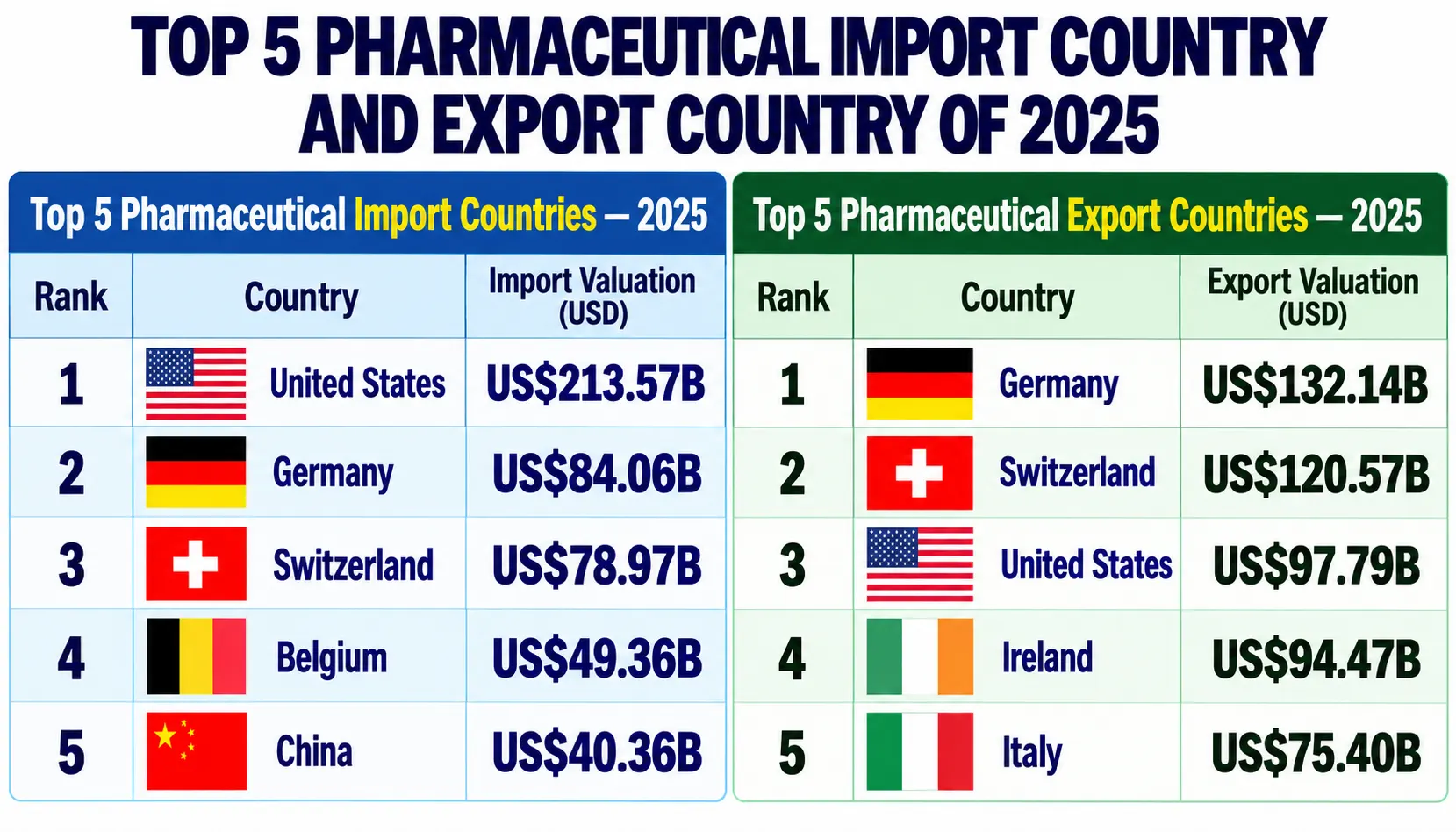

The use of Import Export Shipments Data is quite crucial for the pharmaceutical industry. The time-sensitive process is now being made easier with the effective integrity of the import-export shipment data.
API Sourcing: The proper identification and verification of the sources of active pharmaceutical ingredients helps the businesses reduce the reliance on a single origin.
Research of Generic Markets: The proper research done on the generic markets helps the businesses figure out the countries dealing in generics, along with its import and pricing ranges.
Cold Chain Planning: The acknowledgement of the vaccines and biological preparations shipped by air freight gives a proper idea to the businesses regarding the cargo shipments and the volumes traded.
Compliance and Counterfeiting: The verification of the shipments and customs documentation gives a proper roadmap to the traders for shaping their market entry strategies.
Market Entry: Identify agents of delivery and importers of HS 30 products in selected countries.
In this aspect, small hubs of trade are important as well. Malta, for instance, exported HS30 pharmaceutical products worth $595 million in 2025, which provides a clear idea of how much can be earned from the production of specialized generics.
How the Automobile Sector Utilizes Import-Export Data?
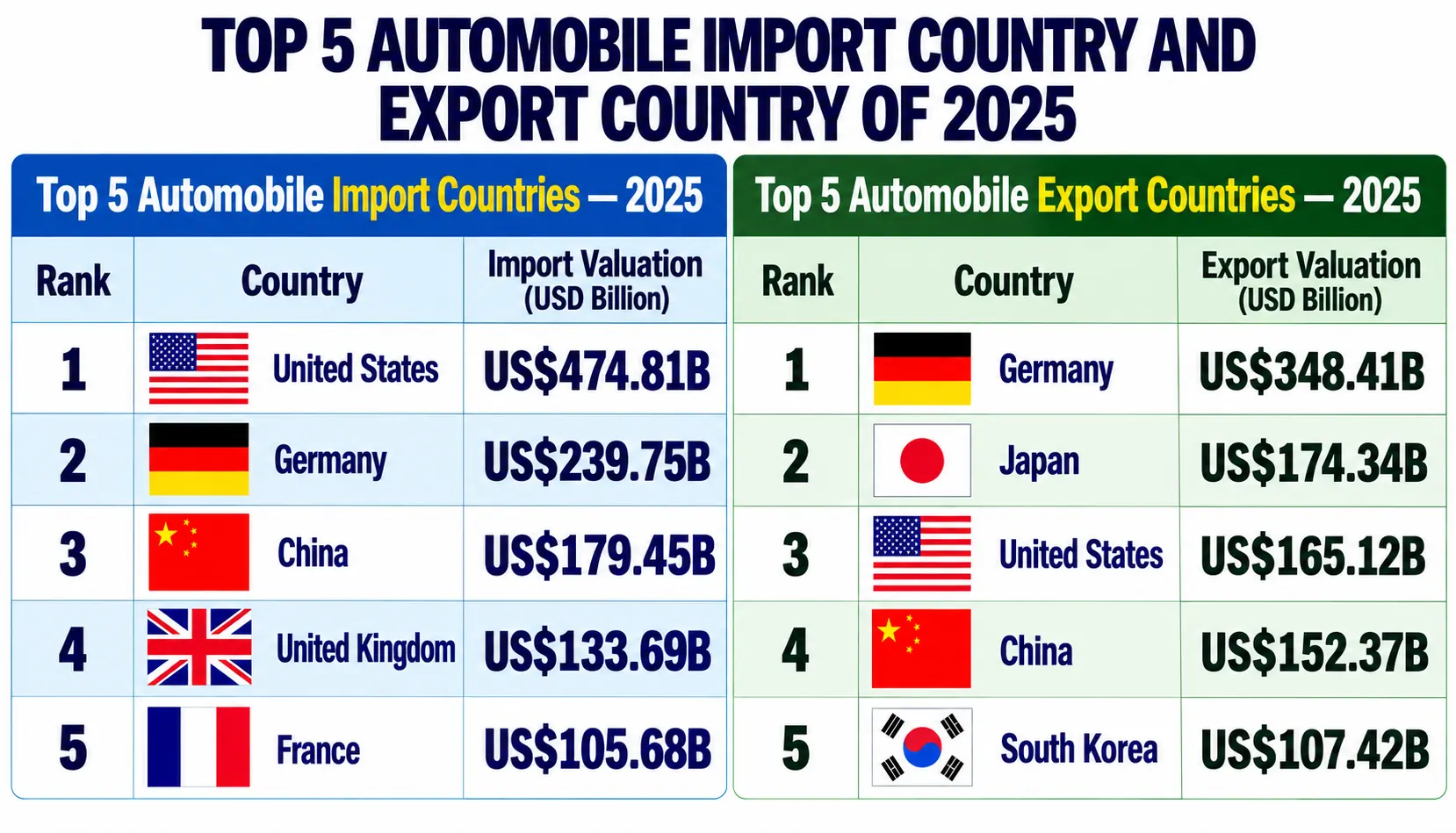
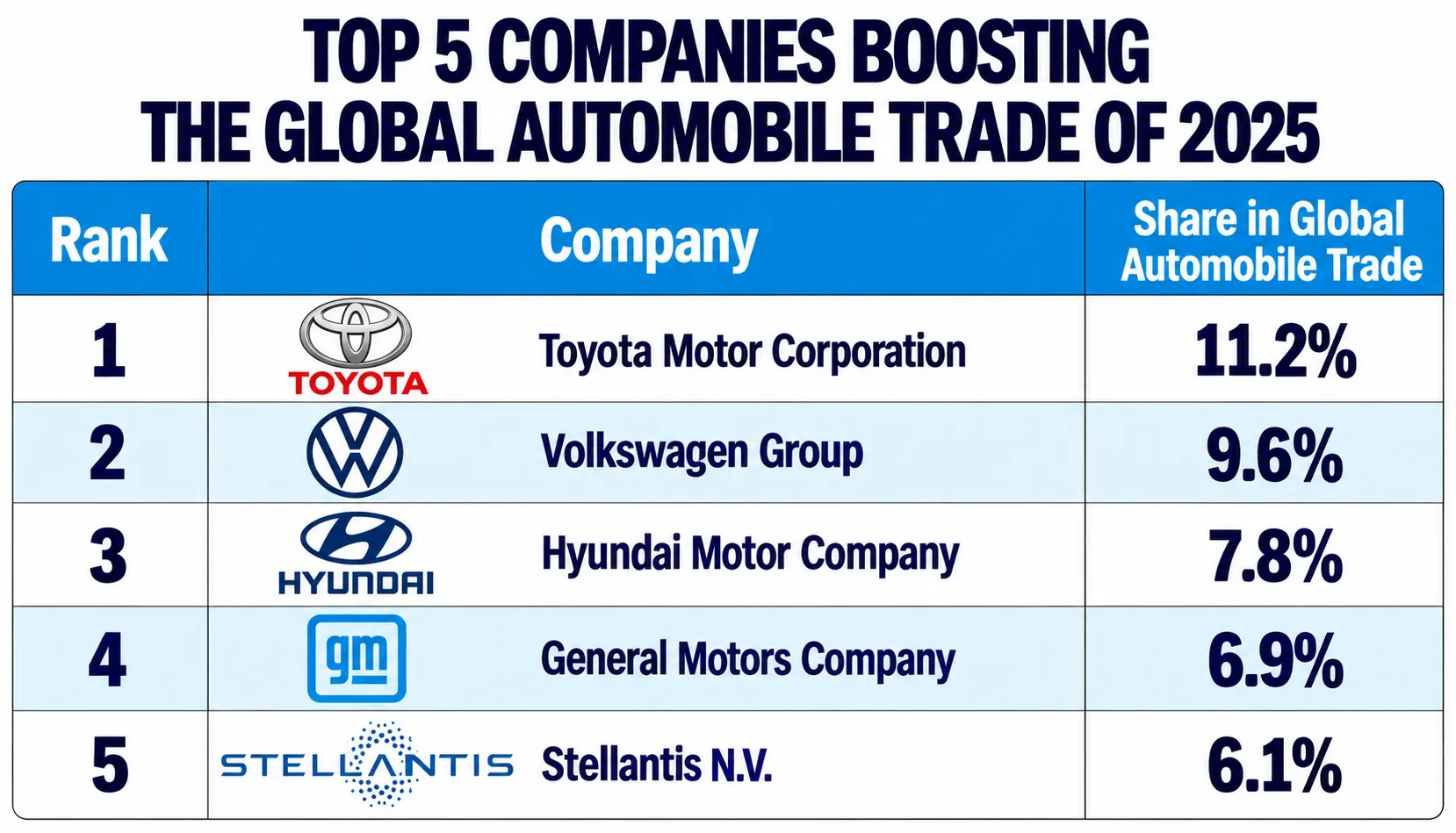
The car manufacturing has been mainly dependent on the numerous parts sourced from several nations. The effective delay in the shipment can reduce the manufacturing facility.
Monitoring Parts Delivery: The proper identification of the parts delivered on a global scale helps the businesses with acknowledgement of the specifics of parts such as semiconductors and battery supply.
Tracking Battery Supply Chains: The acknowledgement of the battery supply chains gives the idea regarding the rare metals that are sourced and transported and how they are affecting the trade policies.
Tracking Vehicle Exports: The analysis of the vehicle exports as per the Import Export Trade Statistics helps the businesses with acknowledgement of the trade valuation. The vehicle exports have currently been growing with the representative indication of the trade flow throughout tiny markets across the globe.
Finding Dealers and Distributors: Identify importers of old and new automobiles by country.
Evaluating Tariffs Impact: Determine how tariffs for vehicles/parts affect countries chosen for supply.
Car manufacturers of all sizes, whether they are large firms like Toyota or start-ups like Tesla, utilize such data analysis methods while making decisions regarding the number of cars produced in a certain period and predicting shortages.
Utilization of Import-Export Shipment Data by Aerospace and Defense Industry
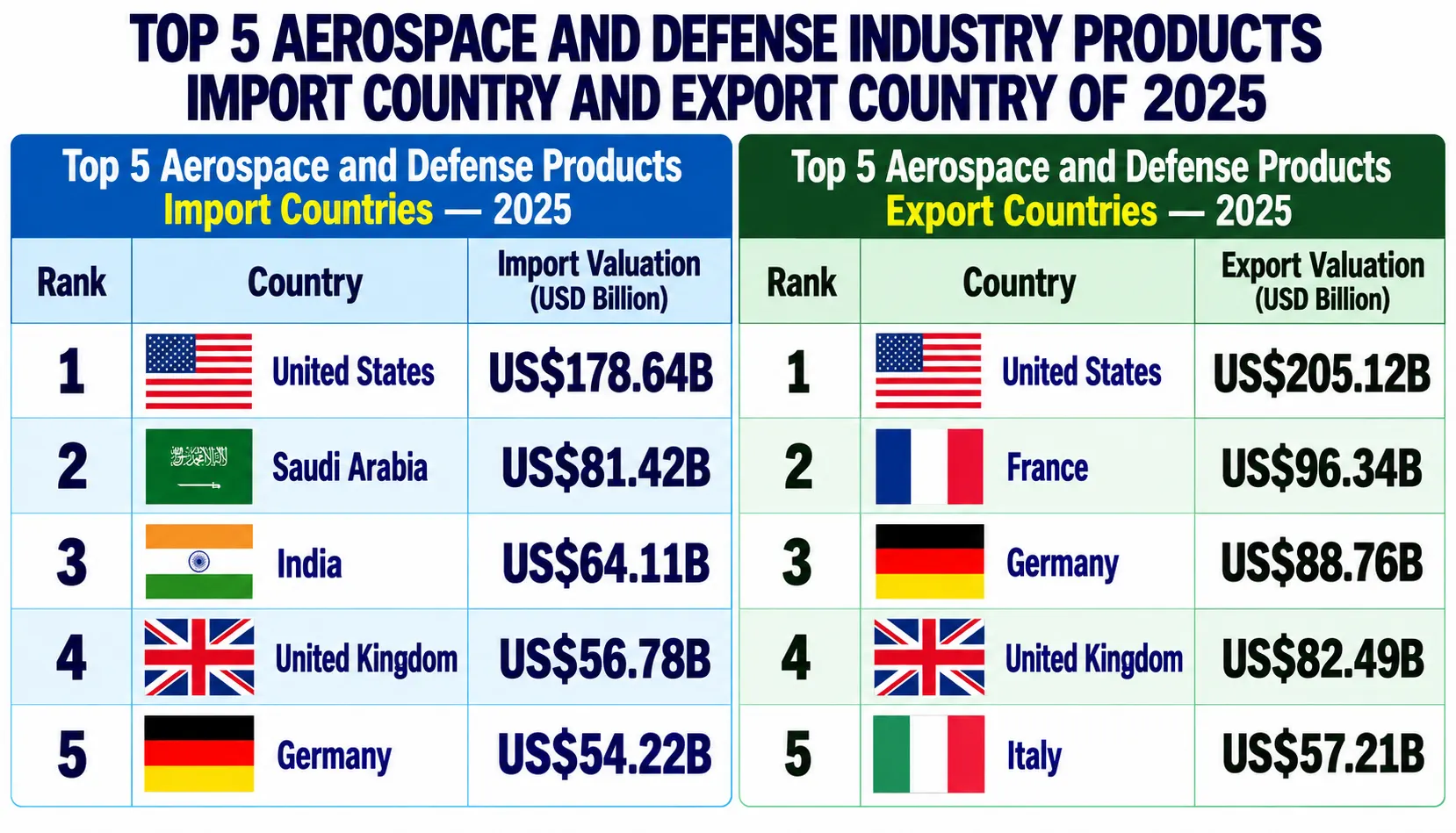
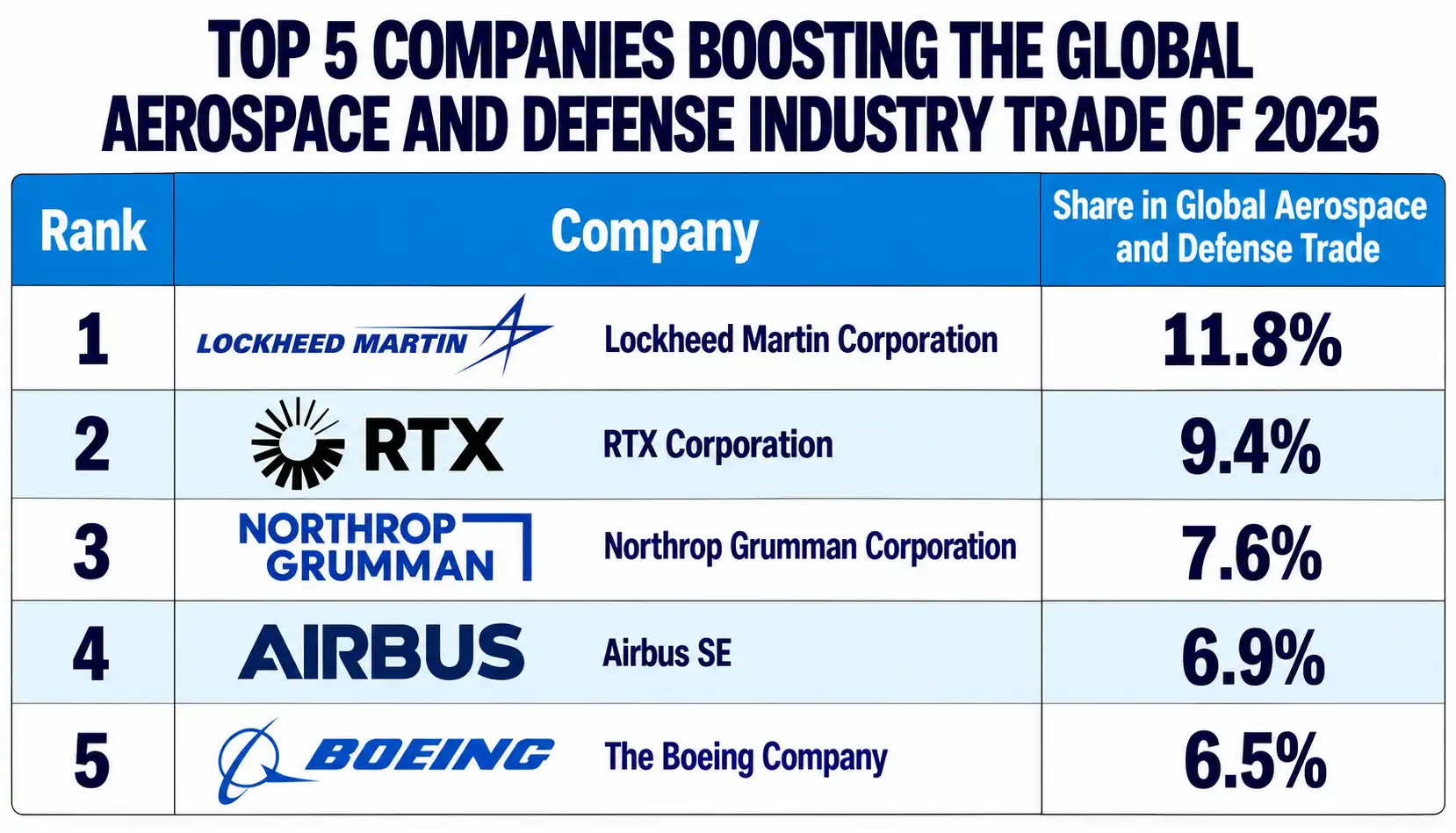
Supply chains that belong to the aerospace and defense industry are extremely long, sophisticated, and strict, reported Global Export Shipment Data. Components are supplied by only a small group of trusted suppliers, and restrictions on exports are pretty severe.
Finding Components: Finding and following the flows of special alloys, titanium, composite materials, and electronics.
Qualifying the Suppliers: Identifying other qualified suppliers in case one has been cut off from supplies or has reached the limit of its capabilities.
Compliance and Sanction Screening: Making sure to check the counterparties and their shipment data in order to minimize violations.
MRO and Aftersales Analysis: Understanding which spare parts have been shipped in order to understand customer servicing activity.
Competitor Analysis: Looking at how major manufacturing companies like Boeing, Airbus, and Lockheed Martin, together with their suppliers, change the way they source materials.
Key Methods: Import Globals Powers, Risk Mitigation, and Market Intelligence
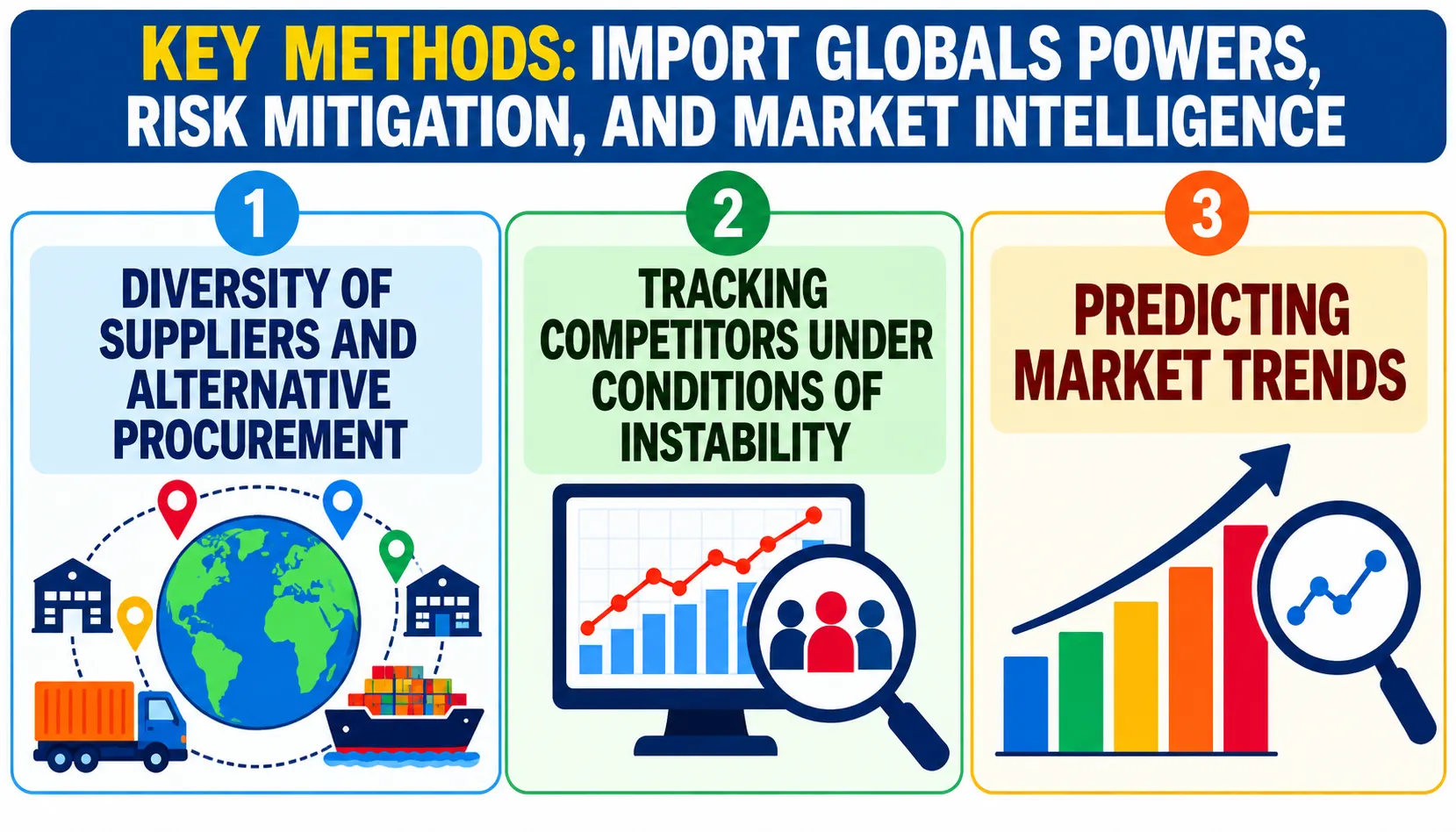
Diversity of Suppliers and Alternative Procurement
A global network of buyers and suppliers can help you discover potential suppliers in politically secure areas very quickly. You can check the supplier’s shipping history, destinations, and frequency before you contact it.
Tracking Competitors Under Conditions of Instability
Keep track of your competitors' approach to the logistics process, shipping, and inventory pipeline during times of abrupt change in trade policy. If your competitor has changed its point of origin or port, you will notice that in the records.
Predicting Market Trends
Use historical data combined with the up-to-date shipping dynamics in order to predict price hikes or lack of goods. The increase in imports before the tariff deadline may suggest a decrease in supply, reported Global Import Shipment Data.
Conclusion
Geopolitical risk is unavoidable; however, blind spots can be avoided. Whether involved in logistics, agriculture, the chemical industry, the pharmaceutical industry, the automobile industry, or the aerospace industry, collecting data at the highest level confirms the risk is tamed.
CTA
Looking for the latest shipment-level intelligence of the global marketplace? You have come to the right platform here. Import Globals helps businesses get detailed identification of buyers and suppliers, along with commodity price trends and monitoring of competitors' strategies. Subscribe at www.importglobals.com or drop an email at info@importglobals.com for detailed information on the role of import-export data in industrial growth to drive your international business strategies.
FAQ’s
Que. What is the meaning of import-export data in the agricultural industry?
Ans. Import-export data of the agricultural industry is a specific representation of the typical goods traded between exporters and importers, along with product description, HS code, quantity, and shipment date.
Que. What is the importance of import-export data for agricultural businesses?
Ans. The importance of import-export data for agricultural businesses is that it helps the authorities identify potential buyers and suppliers, along with proper acknowledgement of demand trends and monitoring of competitors.
Que. Name the top HS codes that cover agricultural products.
Ans. HS chapters from 01 to 24 mostly cover agricultural products like animals, meat, dairy, and vegetables.
Que. How does import-export shipment data aid the aerospace and defense industry?
Ans. Import-export shipment data helps the aerospace and defense industry with supplier qualification, demand rates, and compliance and sanctions screening.
Que. What is the role of the automobile sector with import-export data?
Ans. Import-export data helps the automobile sector monitor the parts delivered on a worldwide scale, along with proper tracking of the supply chain and vehicle exports.
Que. What is the role of import-export data in the pharmaceutical industry?
Ans. Import-export data in the pharmaceutical industry helps in the identification and sourcing of active medical ingredients and even promotes research into generic markets.
Que. How does global import-export data support business growth?
Ans. Global import-export data supports business growth via proper identification of buyers, suppliers, analysis of market demand, and development of effective market expansion strategies.
Que. What information is available in global trade data?
Ans. Global trade data covers importer names, exporter names, shipment date, HS code, product details, quantity, values, pricing information, origin country, importing country, and port details.
Que. How frequently is the global trade data updated?
Ans. Global trade data is updated on a monthly basis.
Que. Where can you obtain detailed information on global trade data?
Ans. Visit www.importglobals.com or drop an email at info@importglobals.com for detailed updates on global trade data.
You Can Also Visit :-
